
A practical guide to daily self-care for teachers who are running on love, caffeine, and sheer determination.
8 min read For every teacher who has ever cried in their car
You became a teacher because something in you knew it was a calling, not just a job. You still feel that. Even on the days when you’re drowning in paperwork, managing thirty personalities before 9 a.m., and somehow holding space for kids who are carrying their own heavy loads — you still love what you do. That love is real. And it deserves to be protected.
But here’s the truth no one in education says out loud enough: you cannot pour from an empty cup. Self-care isn’t selfish. It’s professional responsibility. And the good news? You don’t need a spa weekend or a sabbatical to start. You need small, intentional moments — woven right into the school day and the life you already have.
Morning: Own the first 15 minutes
What you do before the bell rings sets the entire tone of your day. Most teachers arrive and immediately go into reaction mode — answering emails, setting up materials, fielding questions from colleagues. Try something different: claim the first 15 minutes for yourself.
Arrive 10 minutes earlier — just for you
Make a cup of tea or coffee before anyone finds you. Sit. Breathe. Set one intention for the day — not a to-do list, just one word or one goal. This small act shifts you from reactive to intentional.
Try this:

An insulated travel mug that keeps your coffee warm through second period. A small luxury that makes your morning ritual feel sacred.
Keep a teacher gratitude journal

Write two or three sentences — what you’re looking forward to today, or one student interaction that reminded you why you do this. It rewires your brain toward the positive before the chaos begins.
Try this:
A beautiful hardcover journal designed for educators
During the school day: micro-moments of restoration
You may feel like you have no time during the day. But self-care doesn’t have to be big. It can be a 60-second breath, a sip of water, a 90-second walk outside. These micro-moments add up, and they are available to you — you just have to decide to take them.
Practice the 4-7-8 breath between classes
Inhale for 4 counts, hold for 7, exhale for 8. Do it once — just once — during a class transition. It activates your parasympathetic nervous system and reduces cortisol. Thirty seconds. No one even has to know.
Hydrate intentionally
Teachers are chronically dehydrated because bathroom breaks are logistical nightmares. But dehydration causes fatigue, brain fog, and irritability — none of which help you or your students. A large water bottle at your desk is a small act of advocacy for yourself.
Try this water bottle. It has time markers and the option to infuse fruit for extra refreshment during the day. These little things throughout the day add up and keep up your energy as well as your spirits!
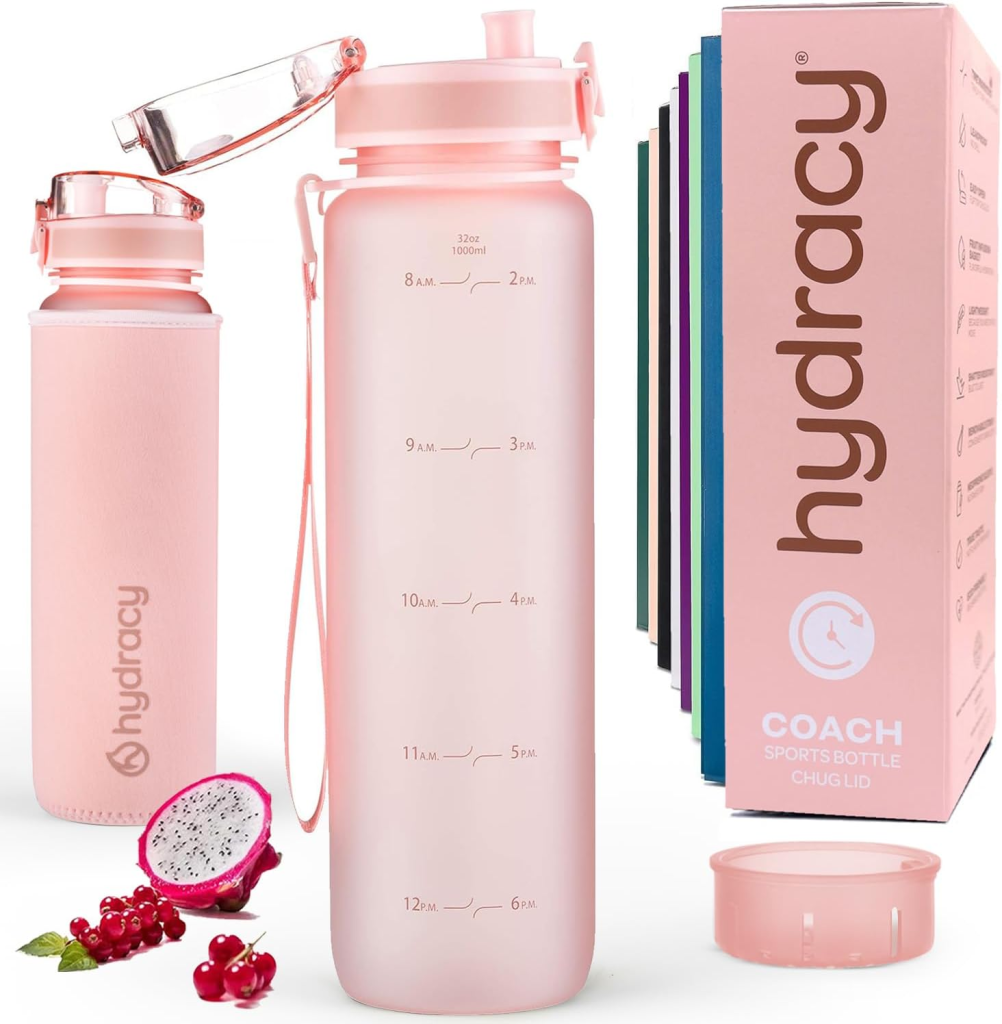
A 40 oz insulated water bottle with time markers to help you track your intake throughout the day. Keeps water cold until the final bell.
Create sensory anchors in your classroom
A small desktop diffuser with a calming scent, a soft lamp in the corner, a favorite plant on your desk — these things benefit your students too, but they’re for you first. Your classroom is your workspace. You’re allowed to make it feel good.
Try this
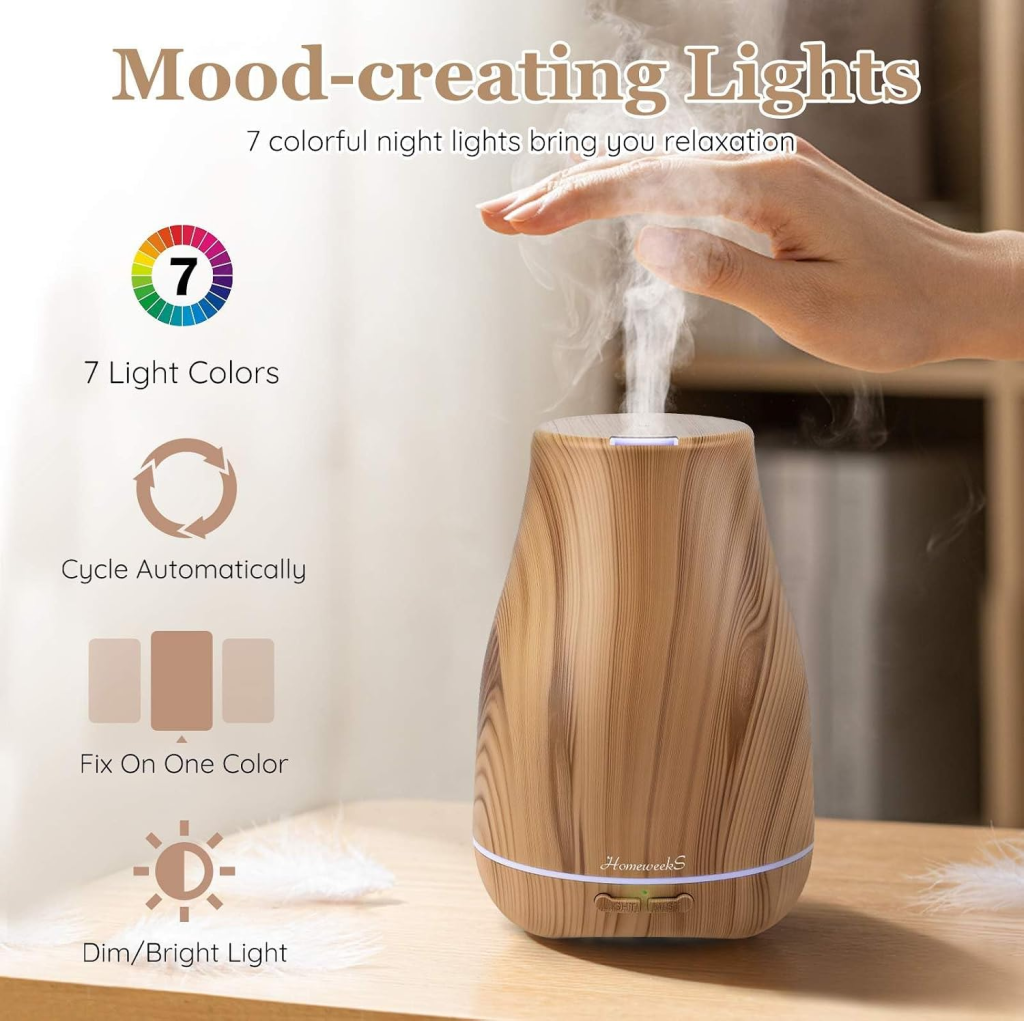
A whisper-quiet USB desk diffuser with lavender or eucalyptus essential oils. Subtle enough for a classroom, effective enough to notice. This one is great because you can set it to run for a few hours then turn off so you never have to worry that you left it on!
“You are not a machine. You are a human being doing one of the hardest jobs that exists — and you chose it. That choice was brave. Honoring your own needs doesn’t make you weak; it makes you sustainable.”
Protecting your lunch break (yes, really)
Lunch is not optional. Eating a real meal — seated, without grading — is not a luxury, it is basic nutrition. You know this. And yet. The papers are right there, and there are only 22 minutes, and it feels more productive to…
Stop. Eat your lunch. You are not more effective for skipping it. Research consistently shows that rest breaks improve cognitive performance and emotional regulation. You owe it to your students to actually eat.
Meal prep Sundays for a better week
A lunch you actually want to eat is easier to protect. Even 30 minutes of prep on Sunday — portioning snacks, assembling salads, packing a thermos of soup — means you’ll be nourishing yourself all week instead of grabbing crackers from the back of a drawer.
Try this:
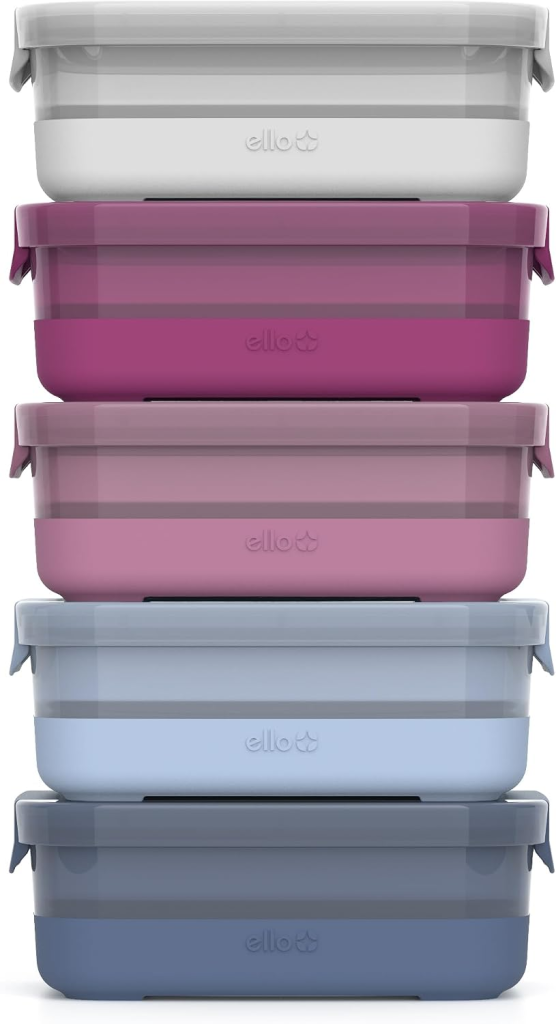
A leakproof meal prep container set with compartments — perfect for teacher lunches that need to survive a crowded tote bag.
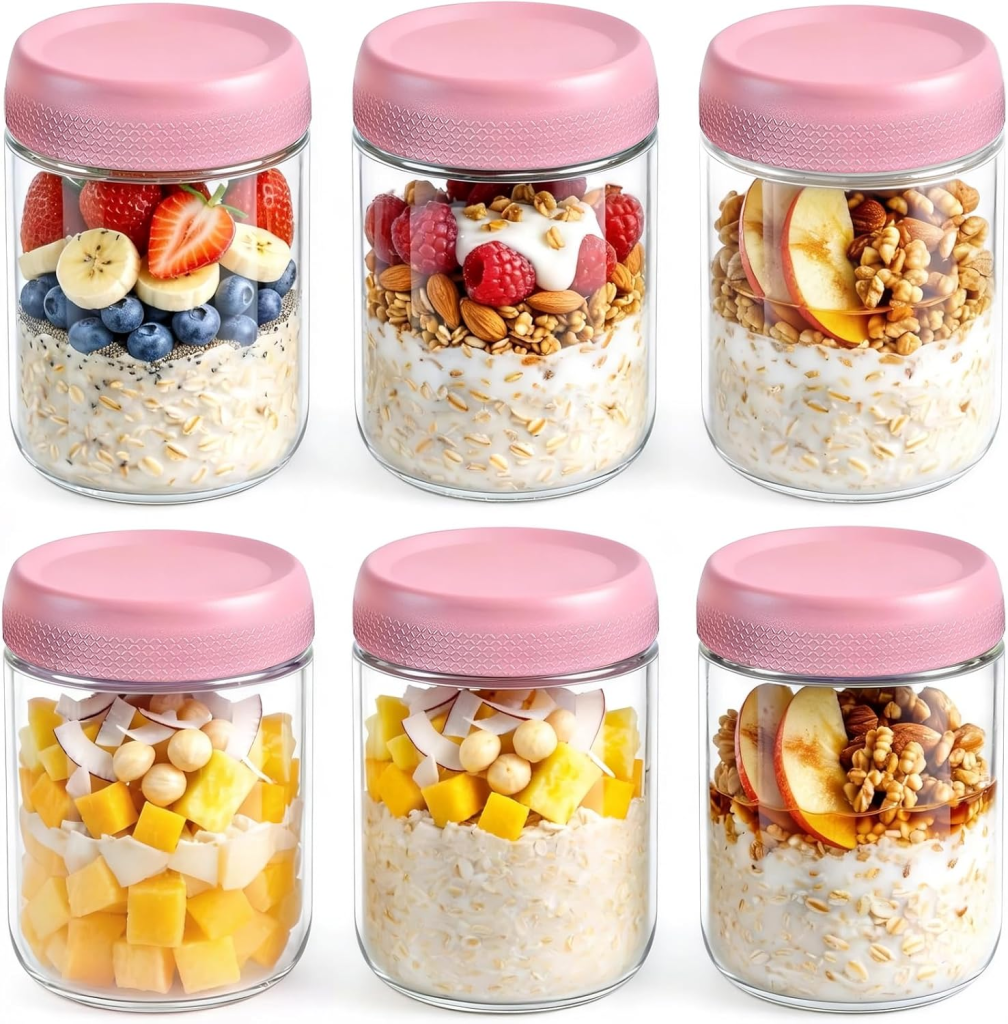
I am also loving these overnight oats containers. These are great if you are making overnight oats, a fun dessert or even just a mixed fruit cup!
After the bell: protecting your transition home
One of the hardest things about teaching is that it doesn’t stay at school. The worry follows you home. The mental load — who’s struggling, what needs to be printed, what you wish you had said differently — runs in the background like an app that never closes.
You can’t always turn it off. But you can build a ritual that signals the transition from teacher to person.
Pull out that gratitude journal again
At the end of the day, jot down a few things from the day that made you smile. I write funny things my students said or something heartwarming I heard from them. Maybe a co-worker did something kind for you or even for someone else. Notice things and write them down. These are the things you will want to return to and they will be sure to brighten your mood!
Your commute decompression ritual
Before you start the car, spend 60 seconds in silence. Name three things that went well today — even small things. Then choose: a podcast that makes you laugh, music you love, or silence. Your commute is a bridge. Cross it intentionally.
Set a hard stop for school work at home
Choose a time — 7 p.m., 8 p.m., whatever works — and commit to it. After that time, no grading, no email, no lesson planning. Not forever. Just tonight. You will be a better teacher tomorrow if you rest tonight. This boundary is not laziness. It’s strategy.
Weekly habits worth building
Daily micro-care keeps you functional. But weekly practices are what actually restore you. These don’t have to be elaborate — they just have to be yours.
Move your body — for joy, not punishment
You stand and walk all day. But intentional movement — a walk outside, a yoga class, dancing in your kitchen — is different. I choose a walk every day after work, even in bad weather. Walk with your partner or alone, it doesn’t matter. I look forward to it everyday and it has made a huge difference in how I feel at home and at school. It processes stress hormones, boosts mood, and gives you something that belongs entirely to you. Finish up with a few minutes of yoga or mindfulness. Even 20 minutes, twice a week, matters.
Try this
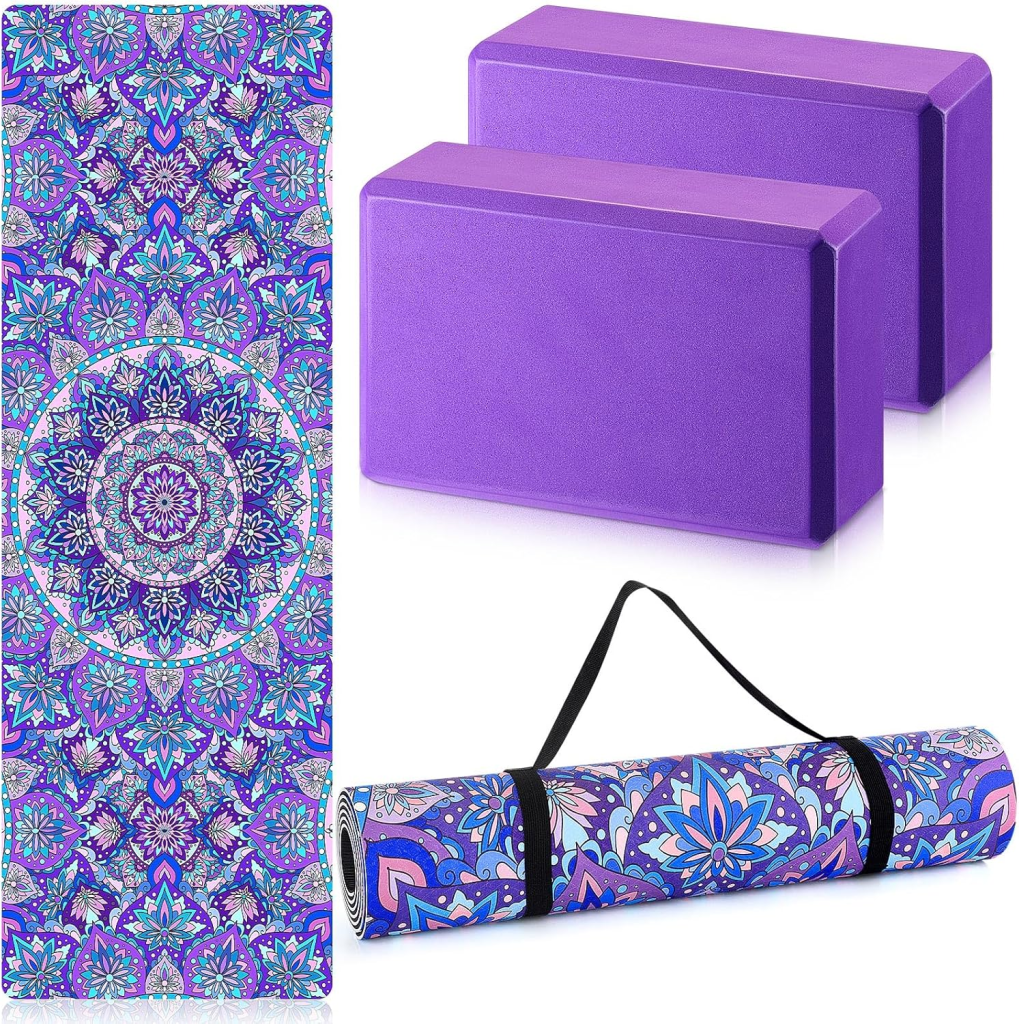
— A yoga mat and starter block set for at-home practice. A 15-minute evening stretch is enough to feel the difference.
Read something just for yourself
Not a professional development book. Not curriculum resources. A novel, a memoir, a magazine — anything that exists for your pleasure, not your growth as an educator. You were a full human being before you were a teacher. Feed that person too.
Connect with your teacher community
Not to vent (though venting has its place), but to be reminded that you are not alone. A trusted colleague who gets it, an online community of educators, a monthly coffee with your department — connection is a genuine buffer against burnout.
One thing you can do today
Don’t try to implement everything at once. That’s not self-care — that’s a new to-do list with a wellness label on it.
Pick one thing from this list. Just one. Put it in your calendar or on a sticky note. Make it real.
Maybe it’s brewing your coffee before anyone needs you in the morning. Maybe it’s a 30-second breath between classes. Maybe it’s ordering a water bottle you’ll actually use. It doesn’t have to be dramatic to be meaningful.
You took this job because you believe in what it does for children and communities. That belief deserves to be sustained. Taking care of yourself is how you protect it. Your students need you here — not just physically present, but genuinely, sustainably here. You matter beyond what you produce. Start there.
Leave a Reply